Skip to content
Nsikak Akpan

Full-Stack & Mobile Engineer · Founder · Uyo, Nigeria

I build whole products.

  1. Schema
  2. API
  3. Interface
  4. Release

Full-stack and mobile engineer. I founded Scholardeck, co-founded Bidazk, and led frontend architecture at Chaindustry. I take products from an empty repository to something people use: database schema, API, interface, and release, across web and mobile.

Selected work

5 products, read as architecture.

Each one is broken down by the layer it was built at. The rows line up between projects on purpose, so you can scan down and see where the work actually happened.

Chaindustry

Task-to-earn platform · Live

Full-Stack Engineer & Team Lead

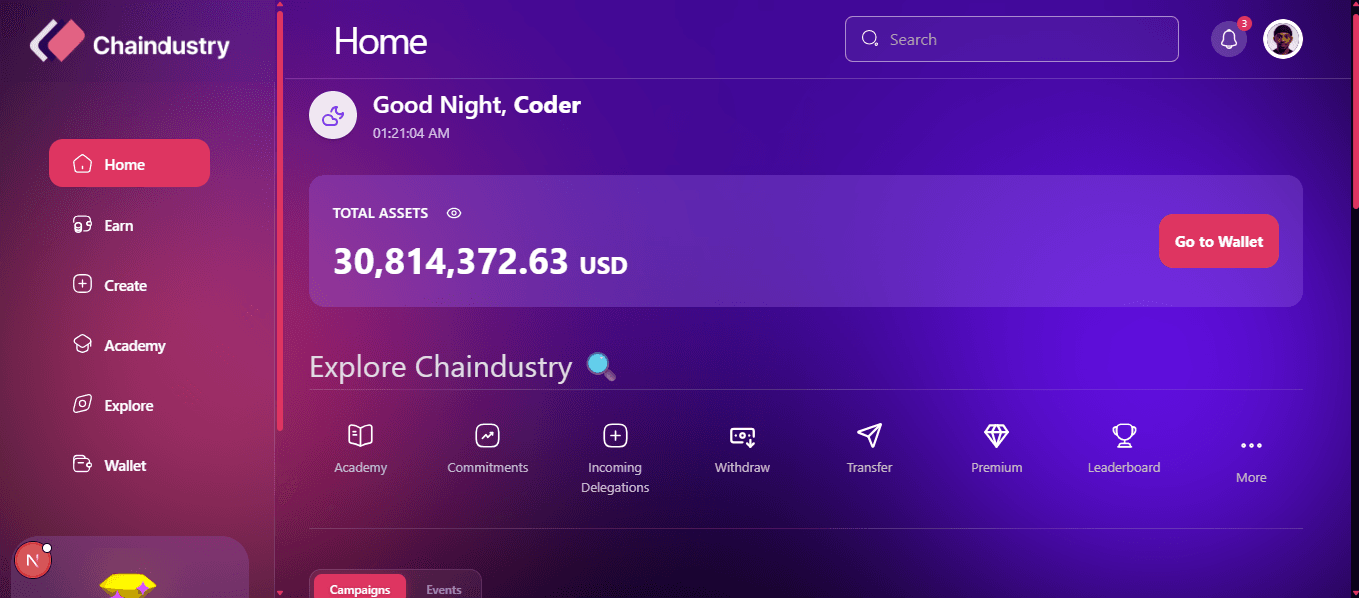
A production platform where users complete verified micro-tasks and withdraw the proceeds as stablecoin.

Chaindustry task dashboard showing available micro-tasks and reward balance
Client
Next.js and TypeScript. Shared component system consumed by six engineers; responsive from small phones through desktop.
State
Redux Toolkit with RTK Query. Auto-generated hooks and a normalised cache meant repeat views of the task feed and leaderboard cost no extra requests.
API
REST against a Node.js backend, plus a third-party bridge API for converting earned tokens to USDT.
Data
MongoDB.
Auth
JWT with managed session lifetime and protected routes.
Read the case study

Scholardeck

SaaS · In development

Founder & Full-Stack Engineer

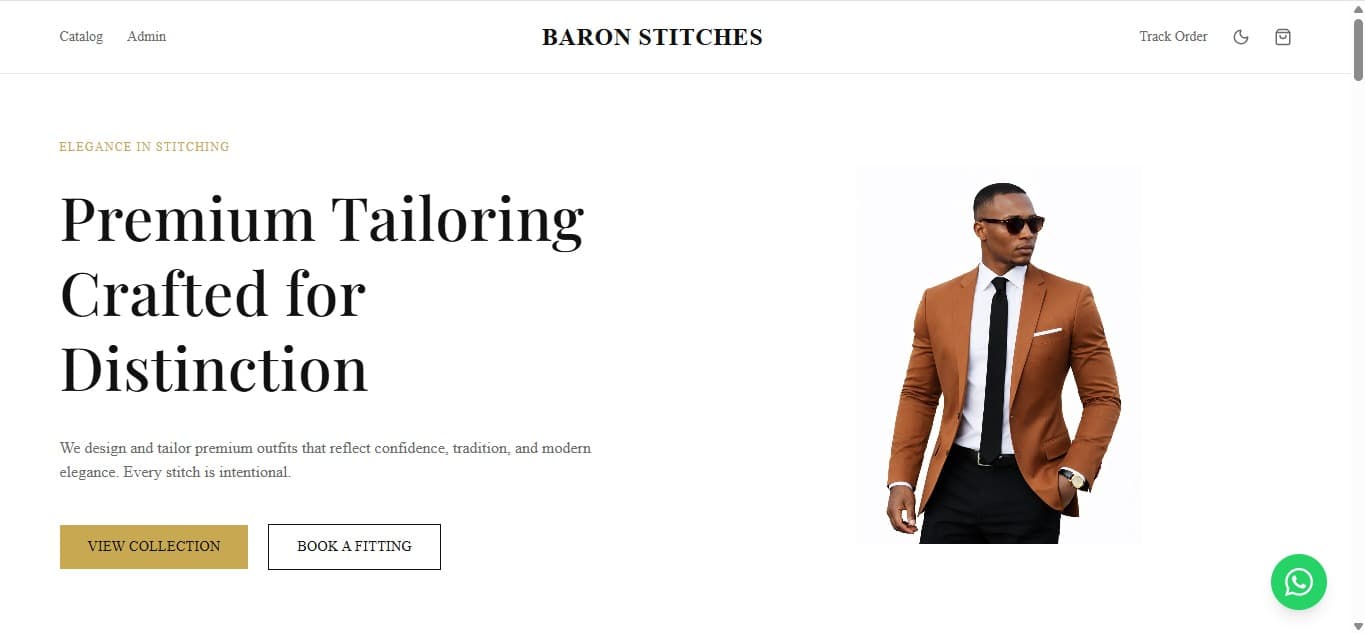
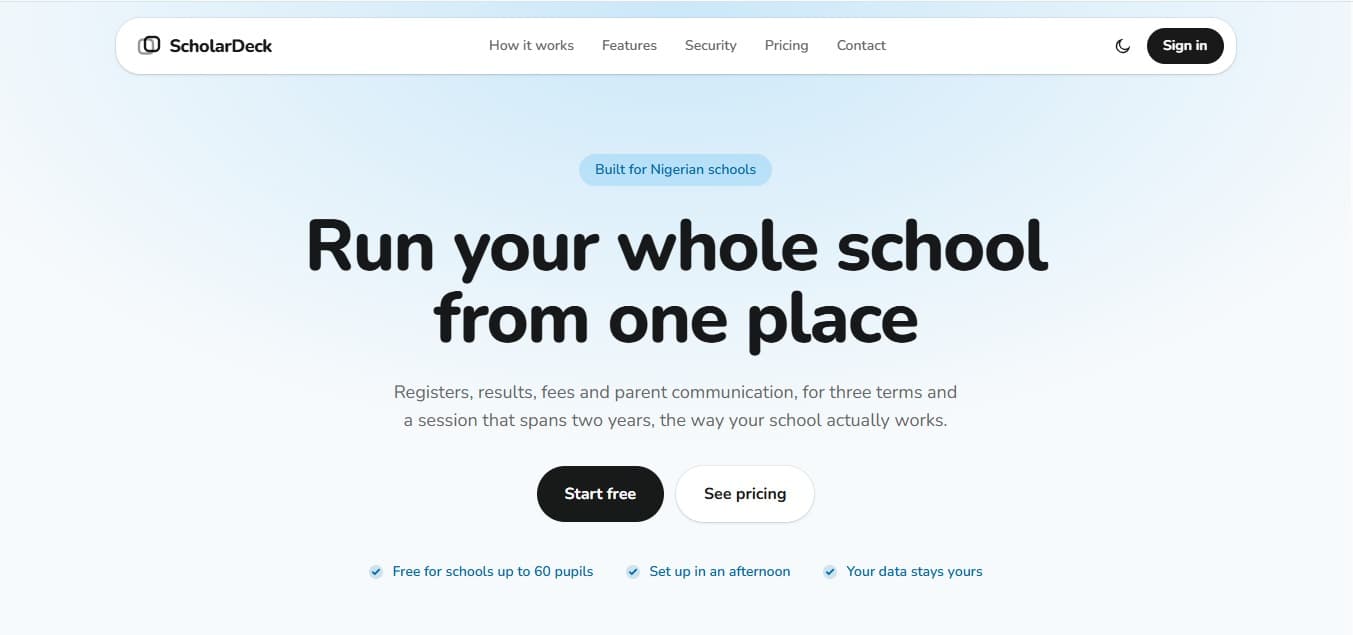
A SaaS platform that lets institutions run scholarship programmes end to end in one place: applications, review, and awards.

Placeholder content
Client
Next.js App Router with React Server Components. Radix UI primitives for the dialogs, menus, and form controls so keyboard and screen-reader behaviour is correct by default.
State
Server state rendered on the server; client state kept to isolated islands: form drafts, filter panels, and the review queue.
API
Route handlers exposing a typed REST surface, with server actions for mutations that originate in the UI.
Data
PostgreSQL modelled with Prisma. Applications, reviews, awards, and organisations are separate entities so a scoring rubric can change between cycles without rewriting history.
Auth
Session-based authentication with role-based access control across applicant, reviewer, and administrator, enforced at the data layer rather than in the UI.
Infra
Applicant documents in S3 with infrastructure defined in AWS CDK; application deployed on Vercel.
Read the case study

Bidazk

Marketplace · In development

Co-founder & Full-Stack Engineer

A reverse marketplace: buyers post what they need, vetted vendors bid for the job, and the platform holds the workflow together until it's delivered.

Placeholder content
Client
Next.js App Router. Separate buyer and vendor surfaces built from one shared component library, so a change to the bid card ships to both at once.
State
Server-rendered request and bid state; optimistic updates on the bid submission path so a vendor sees their bid land immediately.
API
REST endpoints for the request lifecycle, with server actions handling bid placement, acceptance, and withdrawal.
Data
PostgreSQL via Prisma. Requests, bids, and awards are separate tables with the state transition recorded as its own row, so the history of a job is queryable rather than overwritten.
Auth
Session auth with distinct buyer and vendor roles; vendor accounts gated behind a verification step before they can bid.
Infra
Deployed on Vercel with a managed Postgres instance.
Read the case study

Monie

Mobile · In development

Mobile & Backend Engineer (solo)

A cross-platform budgeting app that works offline first, because the moment you need to log an expense is rarely the moment you have signal.

Placeholder content
Client
React Native with Expo, one codebase across iOS and Android. Entry flow reduced to amount, category, done, all reachable from the app's cold start.
State
Local-first state that reads from device storage, so the interface never waits on the network to render.
API
REST endpoints for sync and multi-device reconciliation; the app remains fully usable if they are unreachable.
Data
On-device store as the source of truth, with a sync layer that reconciles against the server when a connection returns.
Auth
Token-based authentication with secure on-device storage.
Read the case study

HiveOps

Multi-tenant DBaaS · Archived

Frontend Engineer (contract)

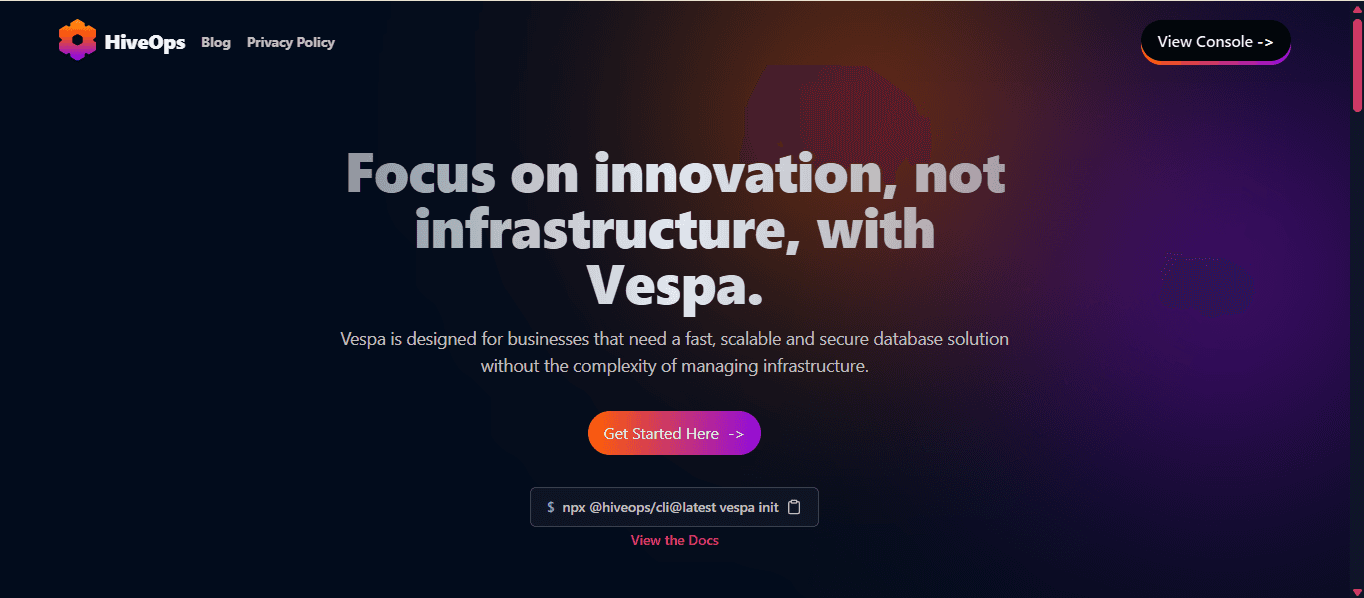
Contract frontend for a database-as-a-service platform: dashboards, billing, and data management UI.

HiveOps database instance dashboard
Client
Next.js, TypeScript, Tailwind CSS. Reusable components built to spec from Figma; verified across Chrome, Safari, Firefox, and Edge.
State
React Query for live server state, Redux Toolkit for cross-view UI state.
API
REST against a Go + Vespa backend; Stripe for subscription and billing flows.
Read the case study

Stack

What I reach for, and what it's for.

Grouped by the job it does. Everything here has shipped to production in at least one of the projects above.

Frontend

Interfaces that stay fast as the product grows.

  • React
  • Next.js (App Router, RSC)
  • TypeScript
  • Tailwind CSS
  • Radix UI
  • Redux Toolkit / RTK Query

Backend & data

Schema first, then the API the product actually needs.

  • Node.js
  • Remix
  • Prisma ORM
  • PostgreSQL
  • MongoDB
  • REST & GraphQL

Mobile

One codebase, shipped to both stores.

  • React Native
  • Expo
  • Offline-first local storage
  • Push notifications
  • App Store / Play Store release

Tools & delivery

Getting it in front of users and keeping it there.

  • AWS (CDK, S3)
  • Vercel
  • Docker
  • Git & GitHub
  • CI pipelines

Contact

Building something end to end?

I'm open to full-stack, product, and mobile engineering roles, and to founding-engineer work. Email is fastest.